
LAST UPDATED: Sep 24, 2026
Overview
Google SecOps is Google Cloud's security operations platform, combining a SIEM for large-scale telemetry ingestion, detection and threat hunting with a SOAR module for case management. This integration covers the case management surface: it lists and retrieves cases, and changes their priority, stage, assignee and other fields directly from a playbook.
Google SecOps is available for use in:
|
D3 ASOC |
V18.4.0+ |
|
Category |
SIEM & XDR |
|
Deployment Options |
Option I, Option II, Option III, Option IV |
Connection
Gather the following information to connect D3 to Google SecOps.
|
Parameter |
Description |
Example |
|---|---|---|
|
Server URL |
The regional Chronicle API host for the Google SecOps instance. Enter the host only, without a path. Standard tenants use the form https://{region}-chronicle.googleapis.com, for example https://us-chronicle.googleapis.com or https://europe-chronicle.googleapis.com. Data residency tenants use the form https://chronicle.{region}.rep.googleapis.com, for example https://chronicle.eu.rep.googleapis.com. To find the region, check the Google SecOps console URL: a tenant URL without a region label, such as https://example.backstory.chronicle.security, indicates region us, while https://example.europe.backstory.chronicle.security indicates region europe. The full endpoint list is at https://docs.cloud.google.com/chronicle/docs/reference/rest . |
|
|
Service Account JSON |
The contents of the Google Cloud service account JSON key file used for authentication. The service account must be granted the IAM permissions listed for each command in the Permission Requirements section. Refer to https://developers.google.com/identity/protocols/oauth2/service-account . |
{"type":"service_account","project_id":"my-project","private_key_id":"...","private_key":"-----BEGIN PRIVATE KEY-----...","client_email":"d3-secops@my-project.iam.gserviceaccount.com"} |
|
Customer ID |
The customer ID of the Google SecOps instance, obtainable from the Google SecOps console under Settings > Profile. This value identifies the tenant in every API request. |
01234567-89ab-cdef-0123-456789abcdef |
|
Project ID |
The Google Cloud project hosting the Google SecOps instance, from Settings > Profile > Organization Details. Leave blank to use the project_id from the Service Account JSON, which is correct only when the service account was created in that same project. |
123456789012 |
Permission Requirements
Each endpoint in the Google SecOps API requires a certain permission scope. The following are required scopes for the commands in this integration:
|
Command |
Required Permissions |
|---|---|
|
Test Connection |
chronicle.instances.get |
|
Update Case |
chronicle.cases.update |
|
Assign Case |
chronicle.cases.update |
|
Get Case |
chronicle.cases.get |
|
Change Case Priority |
chronicle.cases.update |
|
Change Case Stage |
chronicle.cases.update |
|
List Cases |
chronicle.cases.get |
|
List Case Stages |
chronicle.caseStageDefinitions.get |
Configuring Google SecOps to Work with D3
Complete the following steps in the vendor environment before configuring the D3 connection:
-
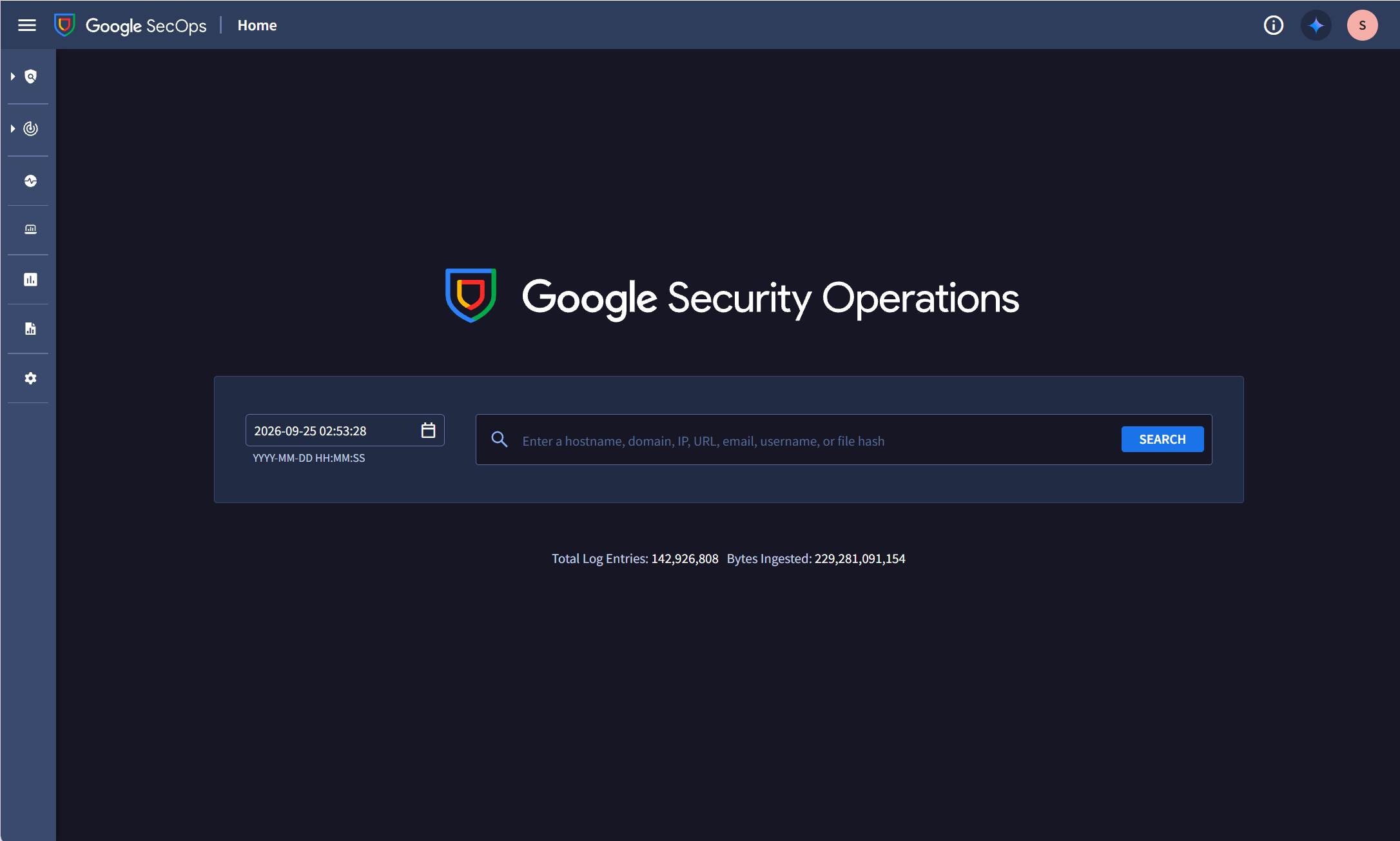
Sign in to the Google SecOps console.
-
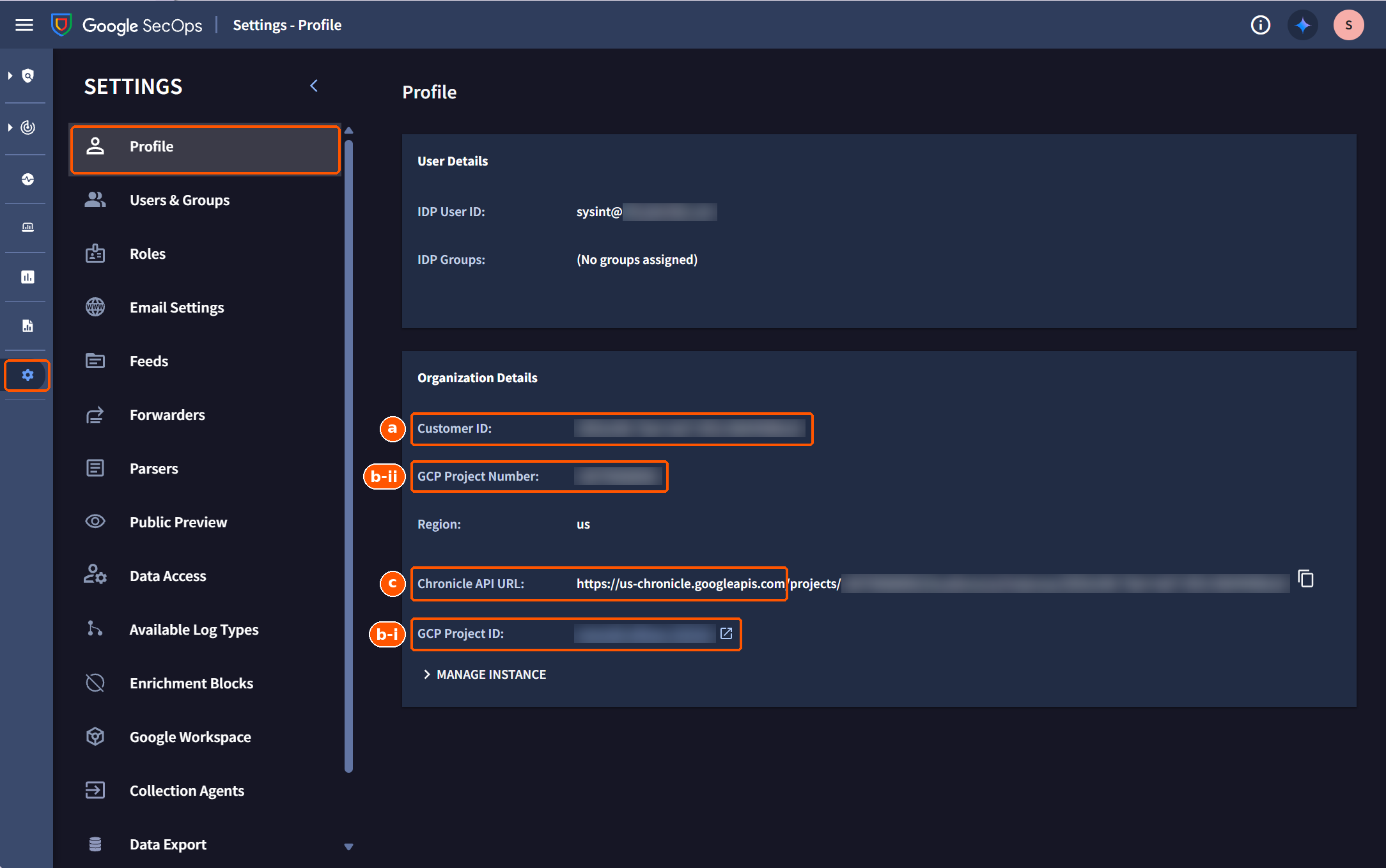
In the Google SecOps console, go to Settings > Profile. In the Organization Details section, copy the following values. The Chronicle API identifies the target tenant from the request URL, so the Customer ID and Server URL must be correct; there is no fallback.
-
Customer ID: The unique identifier of your Google SecOps instance, shown as a UUID (for example,
xxxxxxxx-xxxx-xxxx-xxxx-xxxxxxxxxxxx). Copy the full value exactly as displayed. -
Project ID: The Google Cloud project that hosts your Google SecOps instance. Leave this field blank only if the service account was created in the same project as your Google SecOps instance. If the service account belongs to a different project, this field is required. Enter either of the following:
-
GCP Project ID: The alphanumeric project identifier, shown as a link.
-
GCP Project Number: The numeric project identifier.
-
-
Server URL: The regional base URL of the Chronicle API. The Chronicle API URL field shows the full endpoint, but only the base URL, the part before
/projects/, is needed. For example:-
Full value shown:
https://us-chronicle.googleapis.com/projects/<project>/locations/us/instances/<customer-id> -
Value to enter:
https://us-chronicle.googleapis.comin the connection Server URL. -
Do not include
/projects/, the location, or the instance path in the Server URL; D3 builds the full request path from the Project ID and Customer ID. The regional prefix depends on where your instance is hosted (for example,us-,eu-, orasia-southeast1-), so always copy it from your own console rather than using the example above.
-
-
-
Enable the Chronicle API.
-
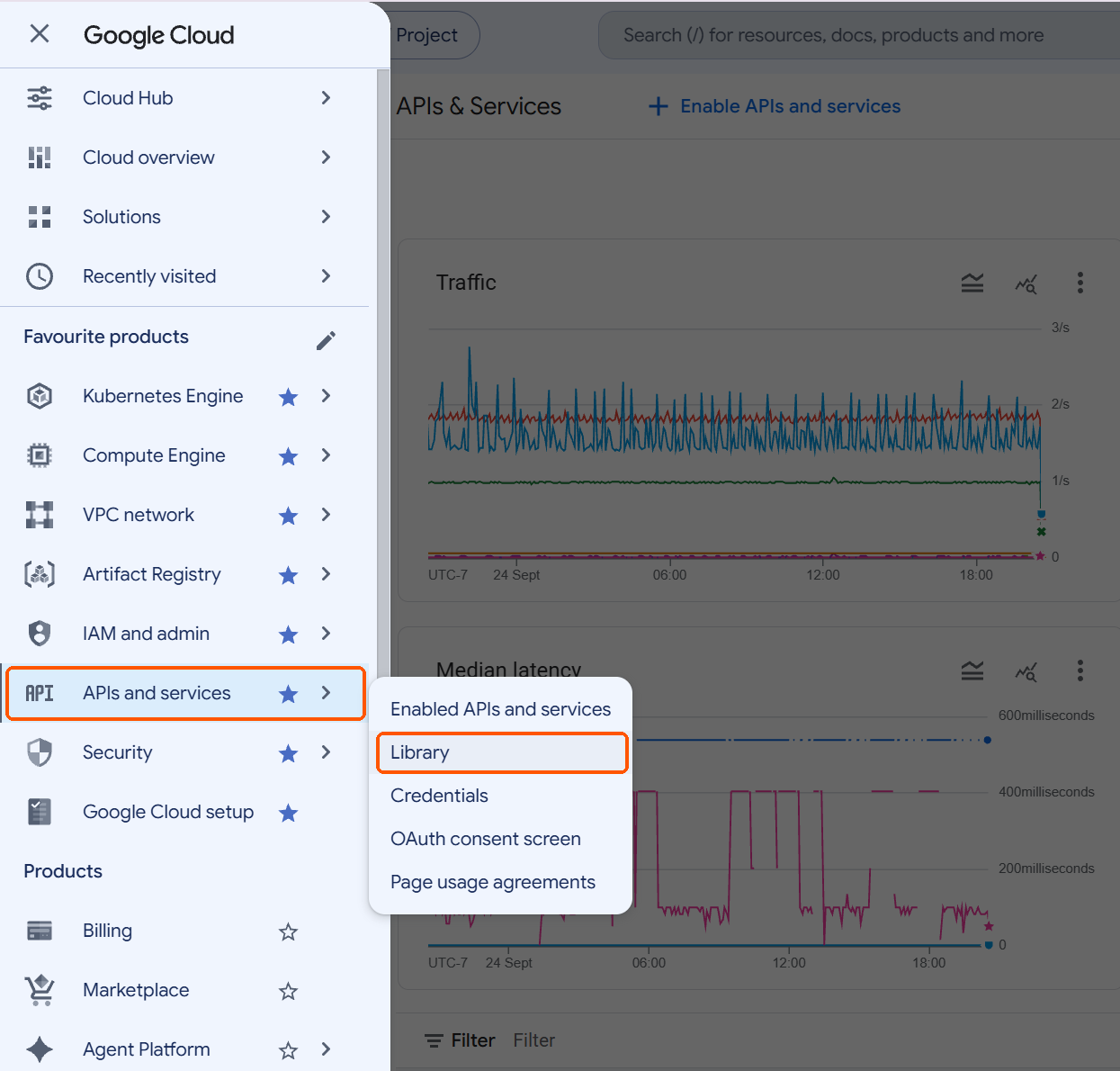
In the Google Cloud console for that project, open APIs & Services > Library
-
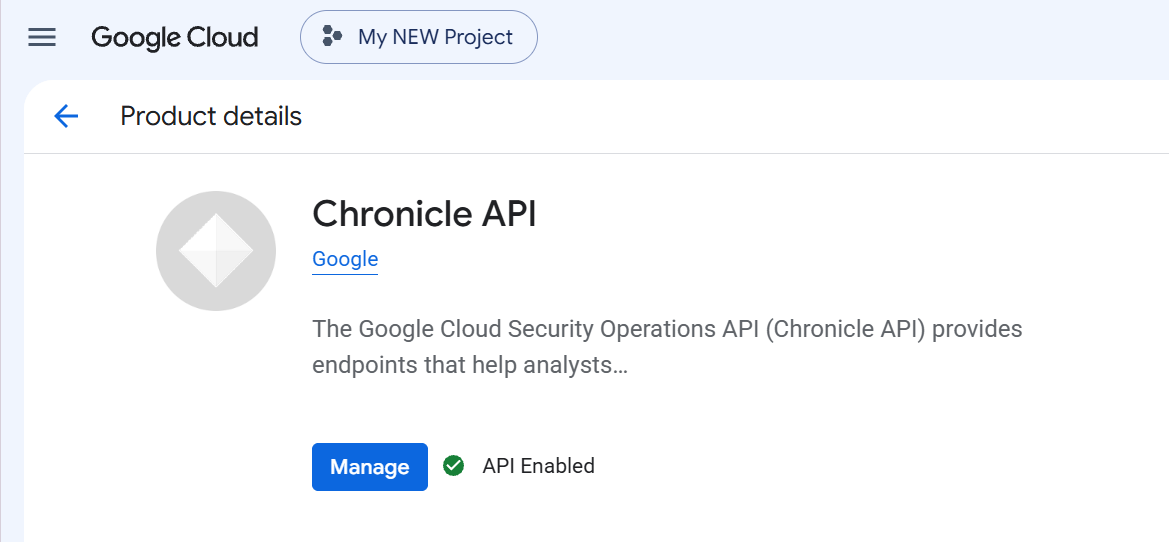
Search for Chronicle API, and click Enable. Skipping this produces an HTTP 403 naming the project number.
-
-
Service Account JSON:
-
Open IAM & Admin > Service Accounts, click Create service account, and give it a name such as d3-secops-integration.
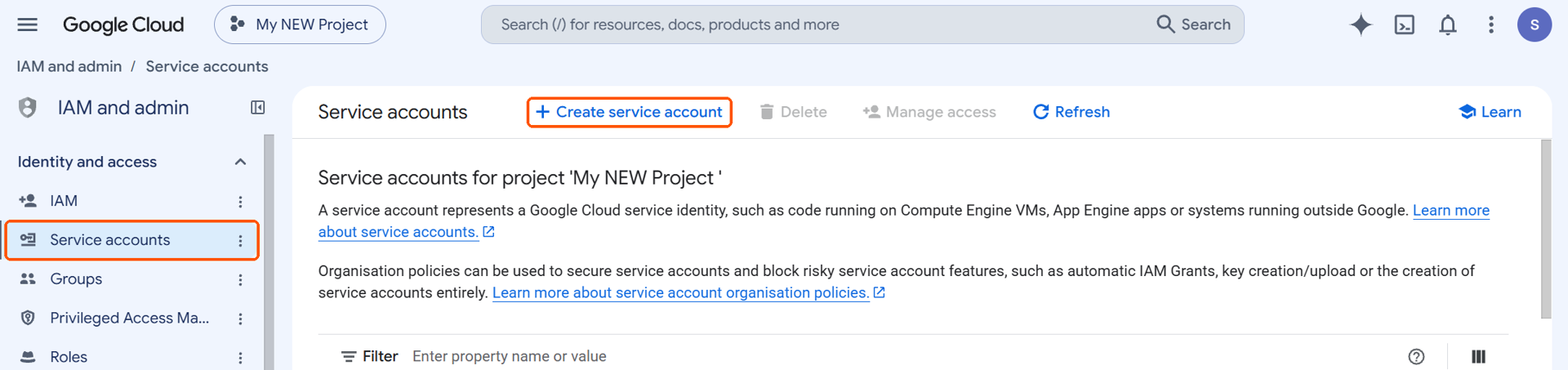
-
Enter a Service account name (for example,
d3-secops-integration), then click Create and continue.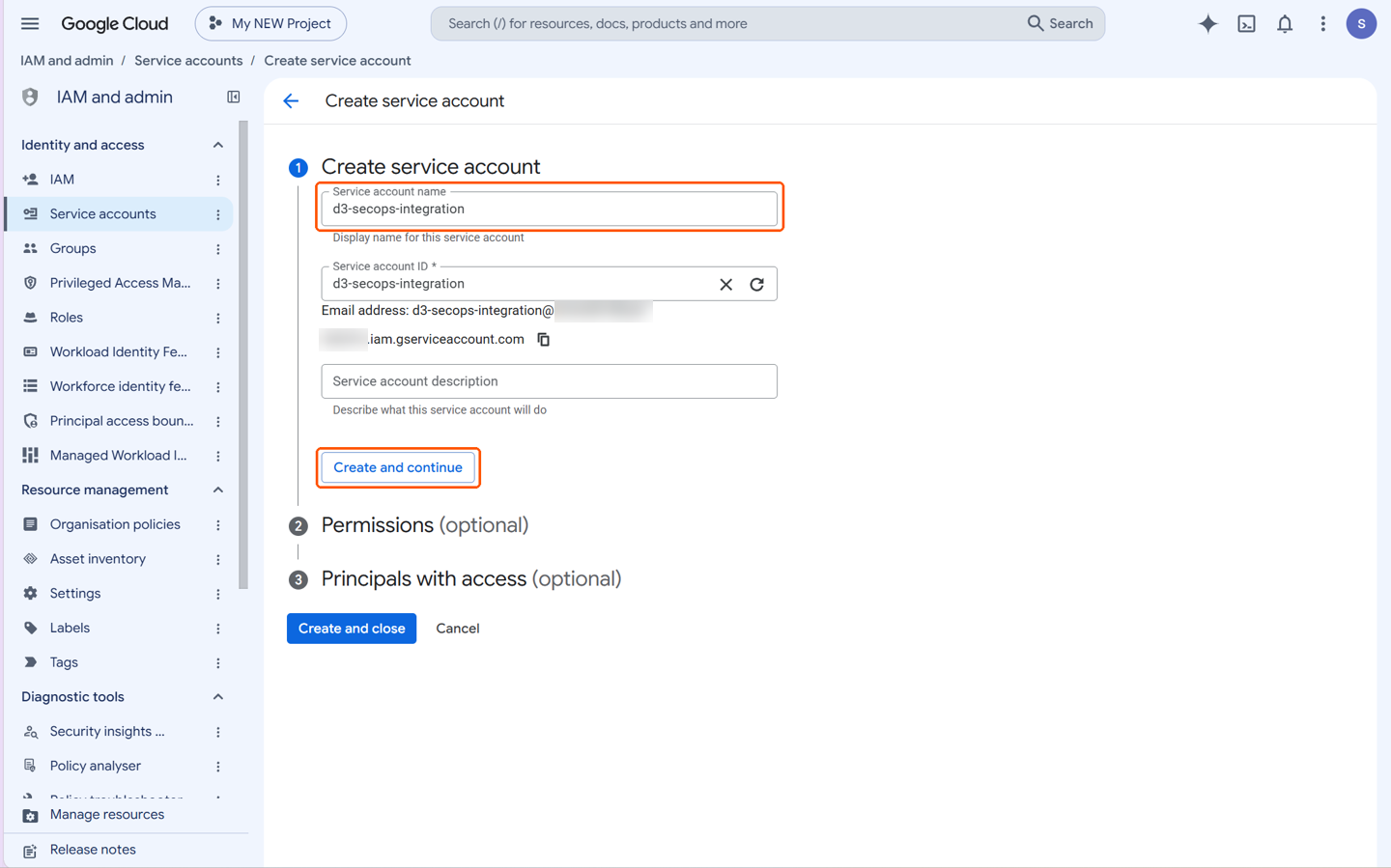
-
Under Permissions, select the Chronicle API editor role or a custom role including all the permissions for this integration, then click Continue.
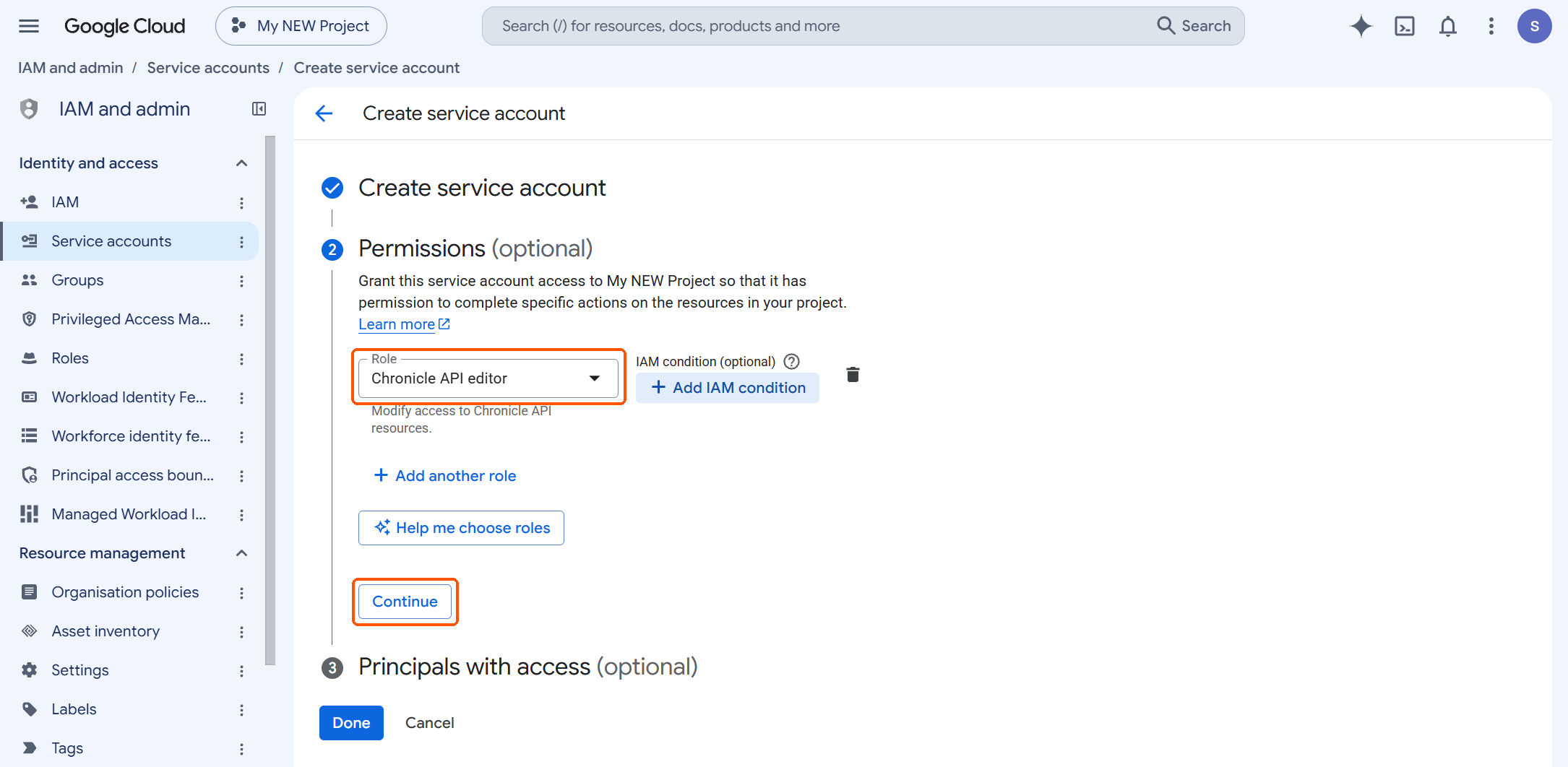
-
Under Principals with access (optional), leave both fields blank; D3 doesn't need them. Click Done to create the service account.
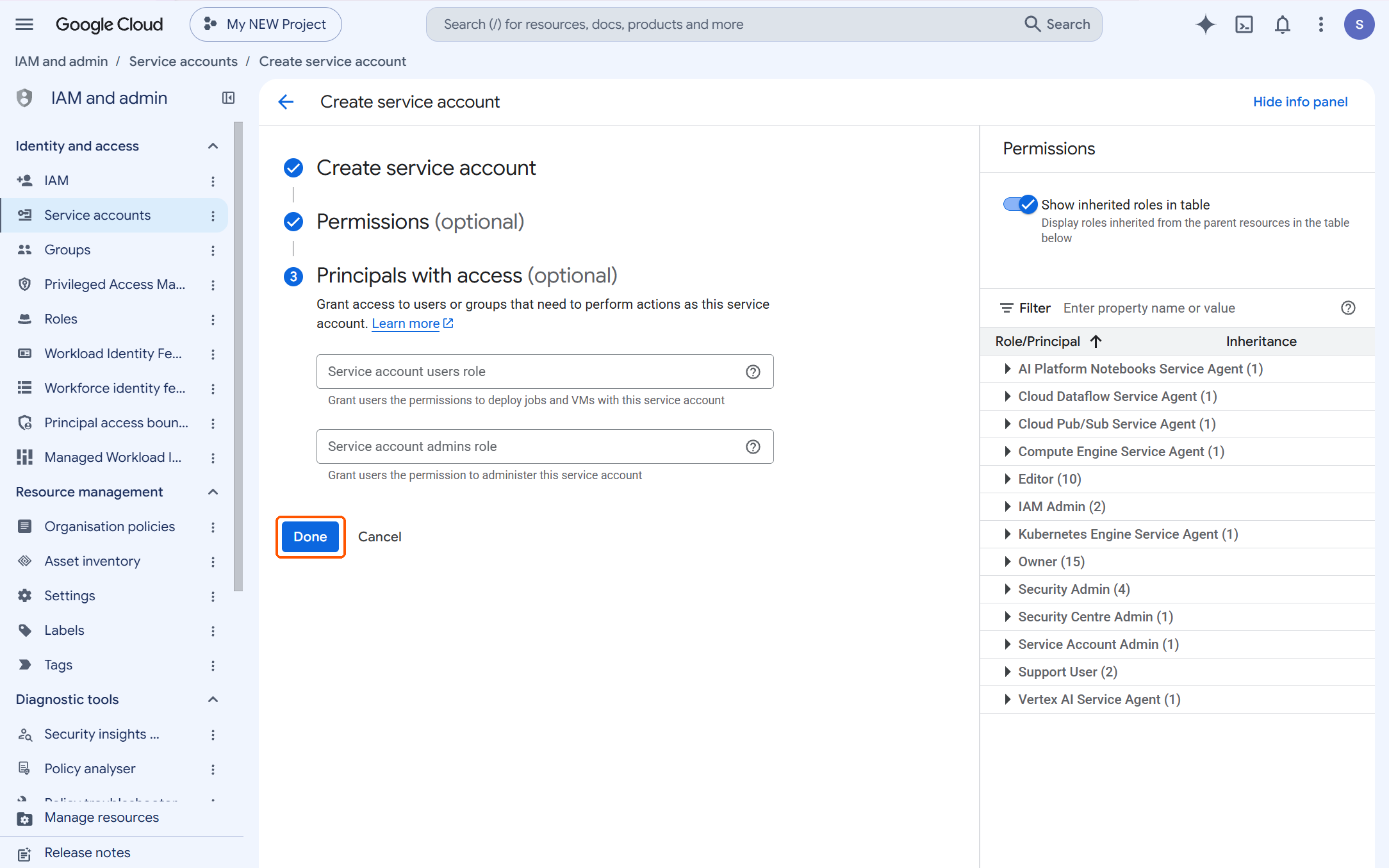
-
-
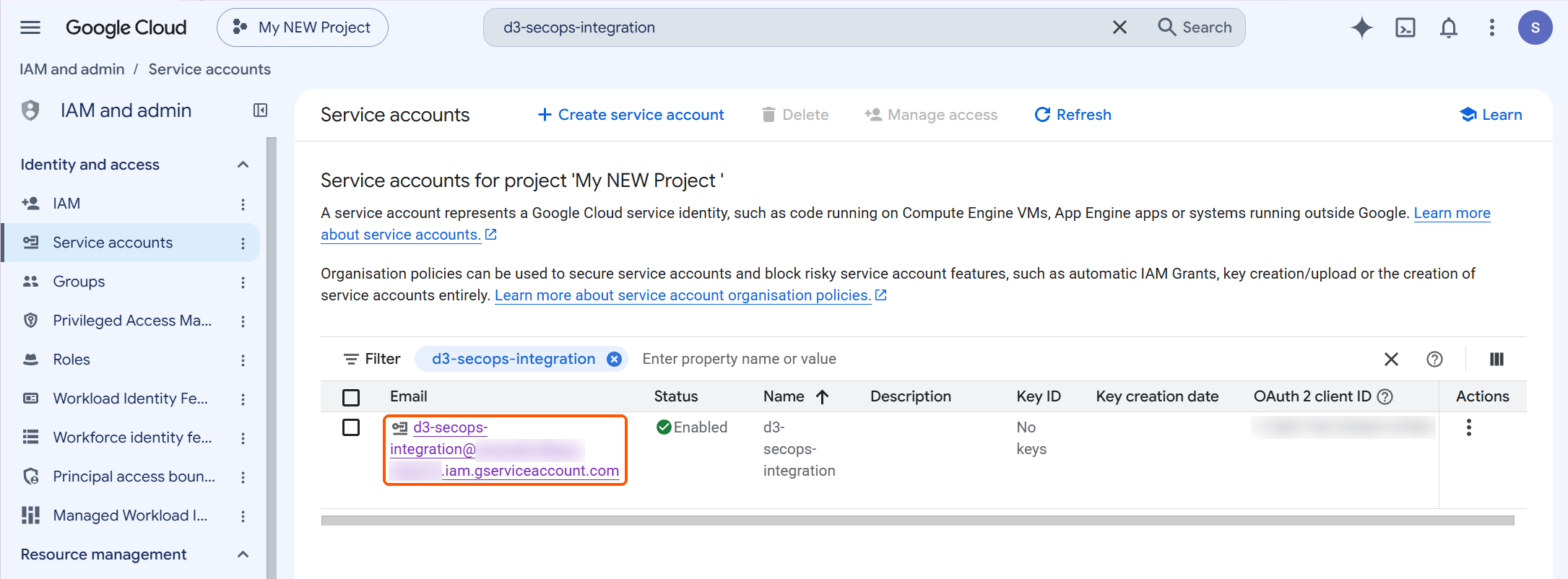
In the Service accounts list, find the service account you just created. Click to open the new service account.
-
Create the Service Account JSON.
-
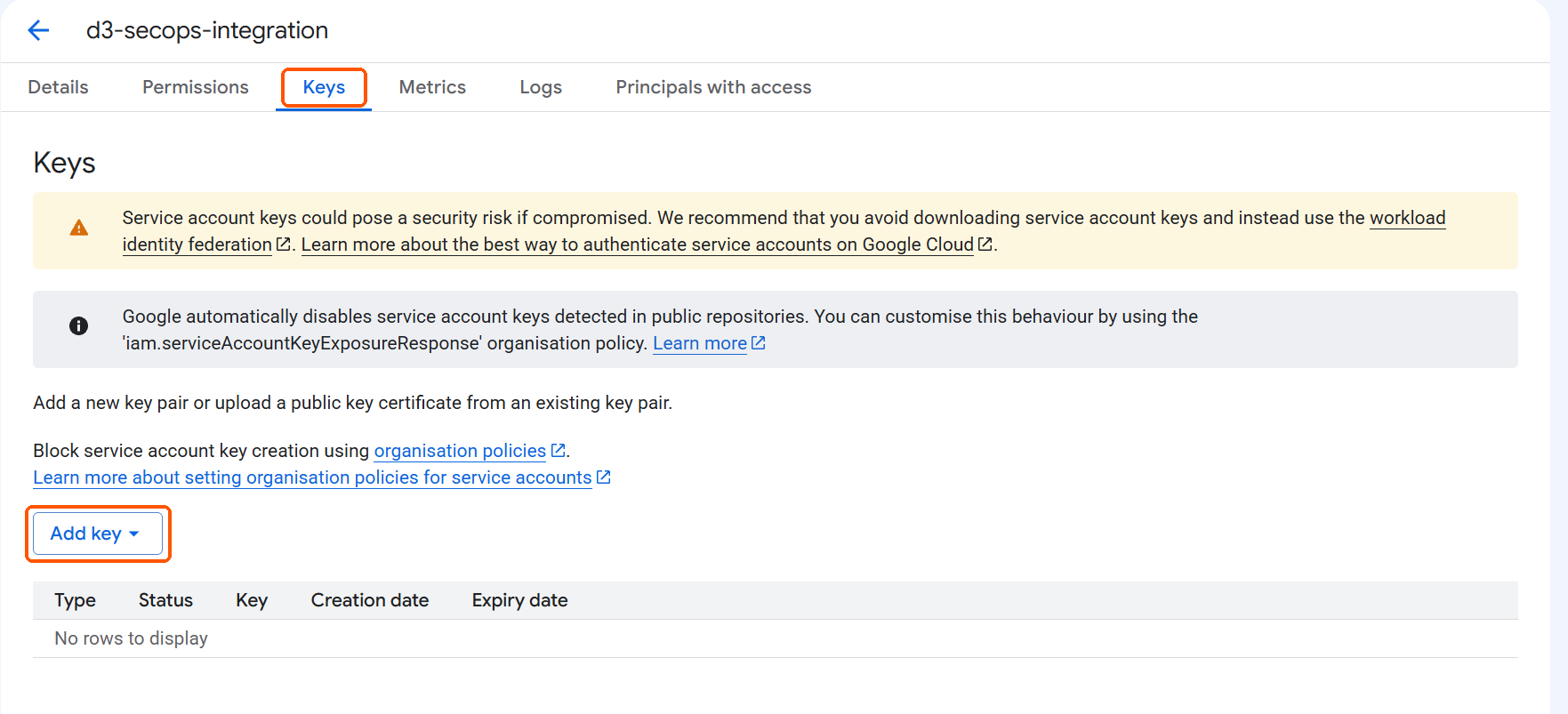
On the service account details page, select the Keys tab.
-
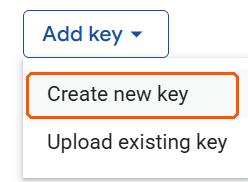
On the Keys tab, click Add key > Create new key.
-
Select Create new key.
-
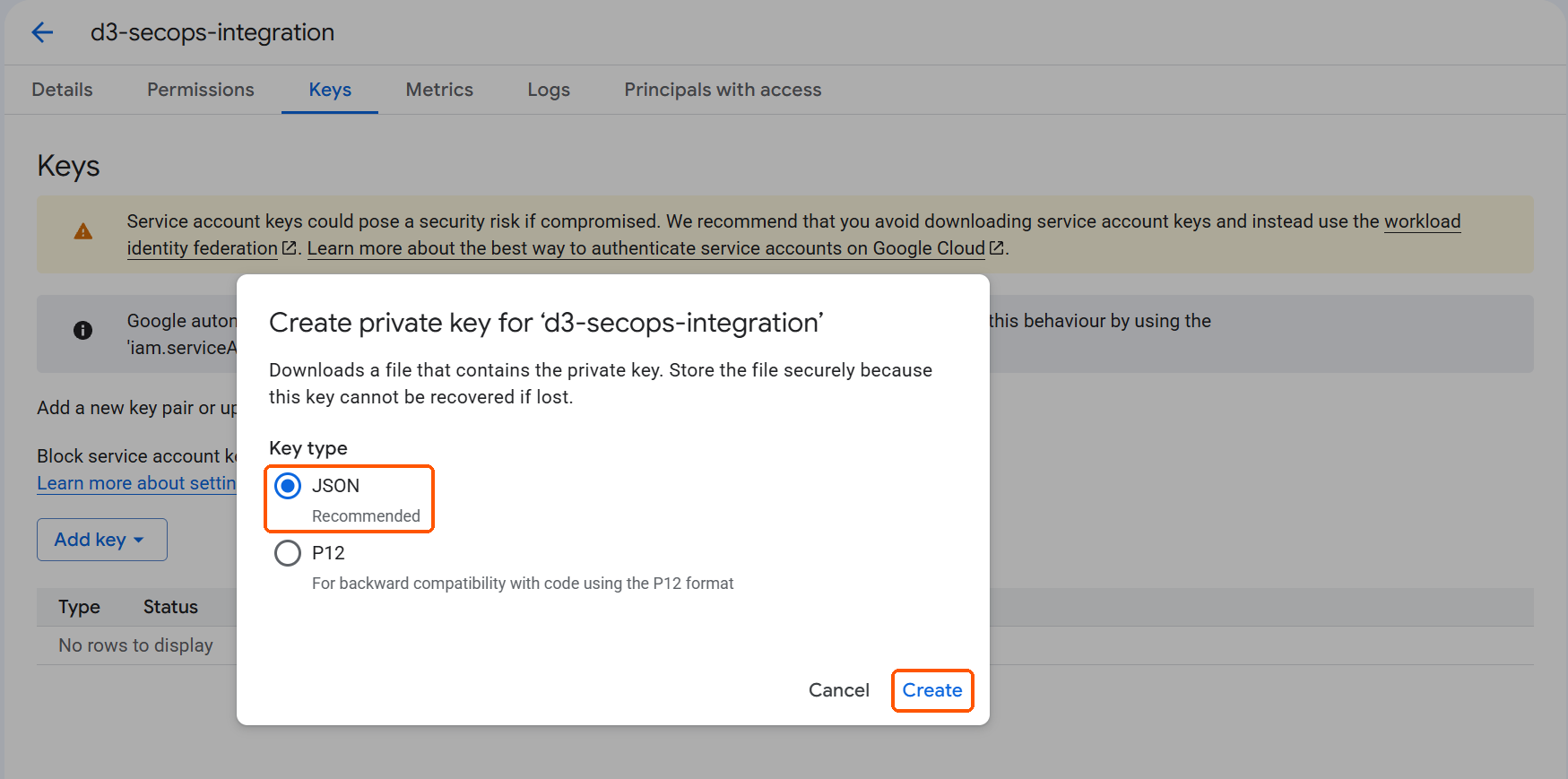
Under Key type, select JSON, then click Create. The JSON key file downloads to your computer automatically. Store it securely: the private key can't be downloaded again, and if it's lost, you'll need to create a new key. You'll paste its contents into the D3 integration connection Service Account JSON.
-
-
Grant the service account a role covering the permissions its commands need - the Permission Requirements section lists them per command. The predefined Chronicle API Viewer role covers the read-only commands; commands that write require an editor-level or custom role. A read-only service account passes Test Connection and every list command, then returns HTTP 403 on every write, so under-granting here fails late and misleadingly.
-
(Optional) Create a custom role:
-
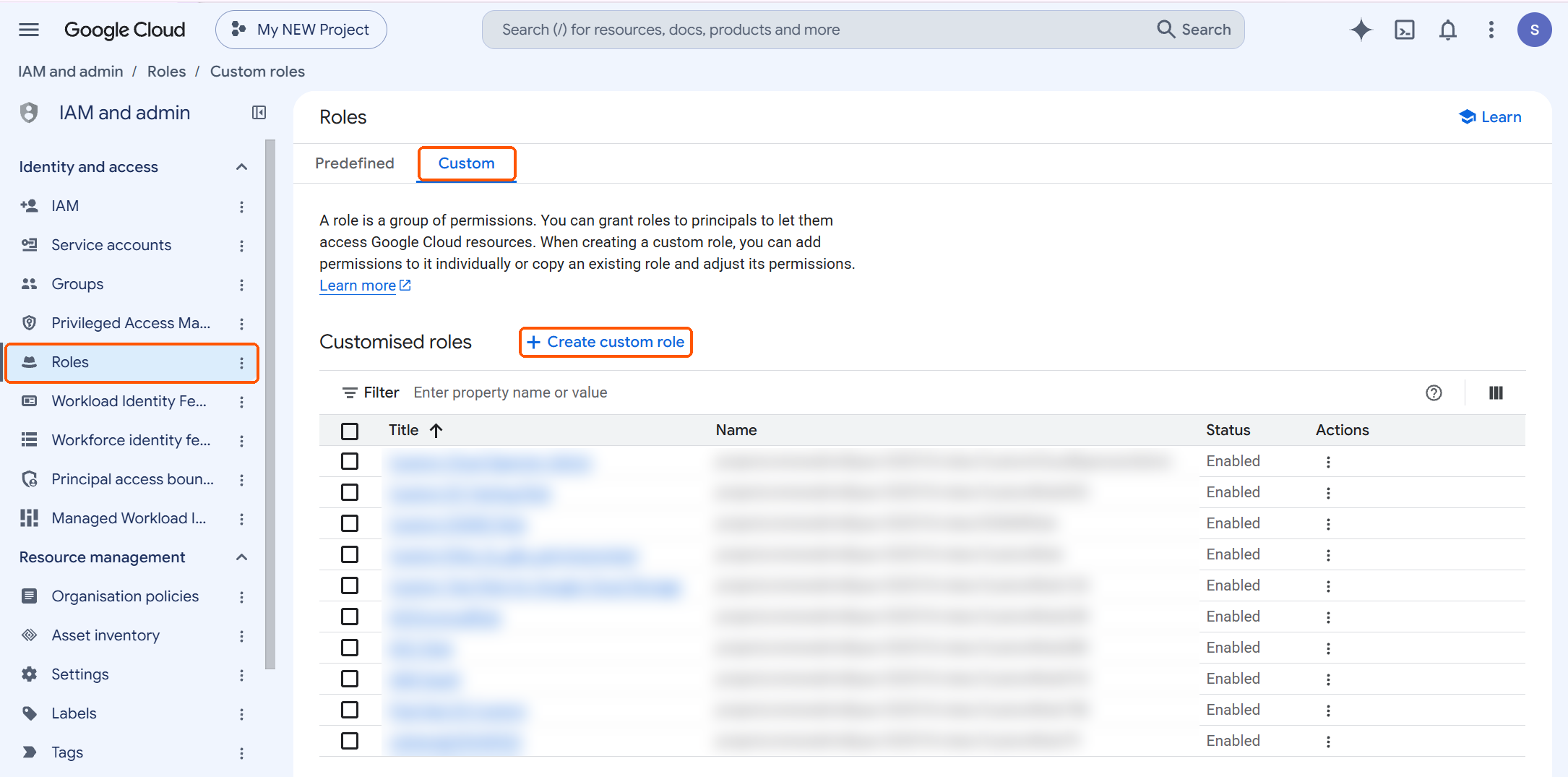
In the Google Cloud console, go to IAM and admin > Roles, click the Custom tab, then click + Create custom role.
-
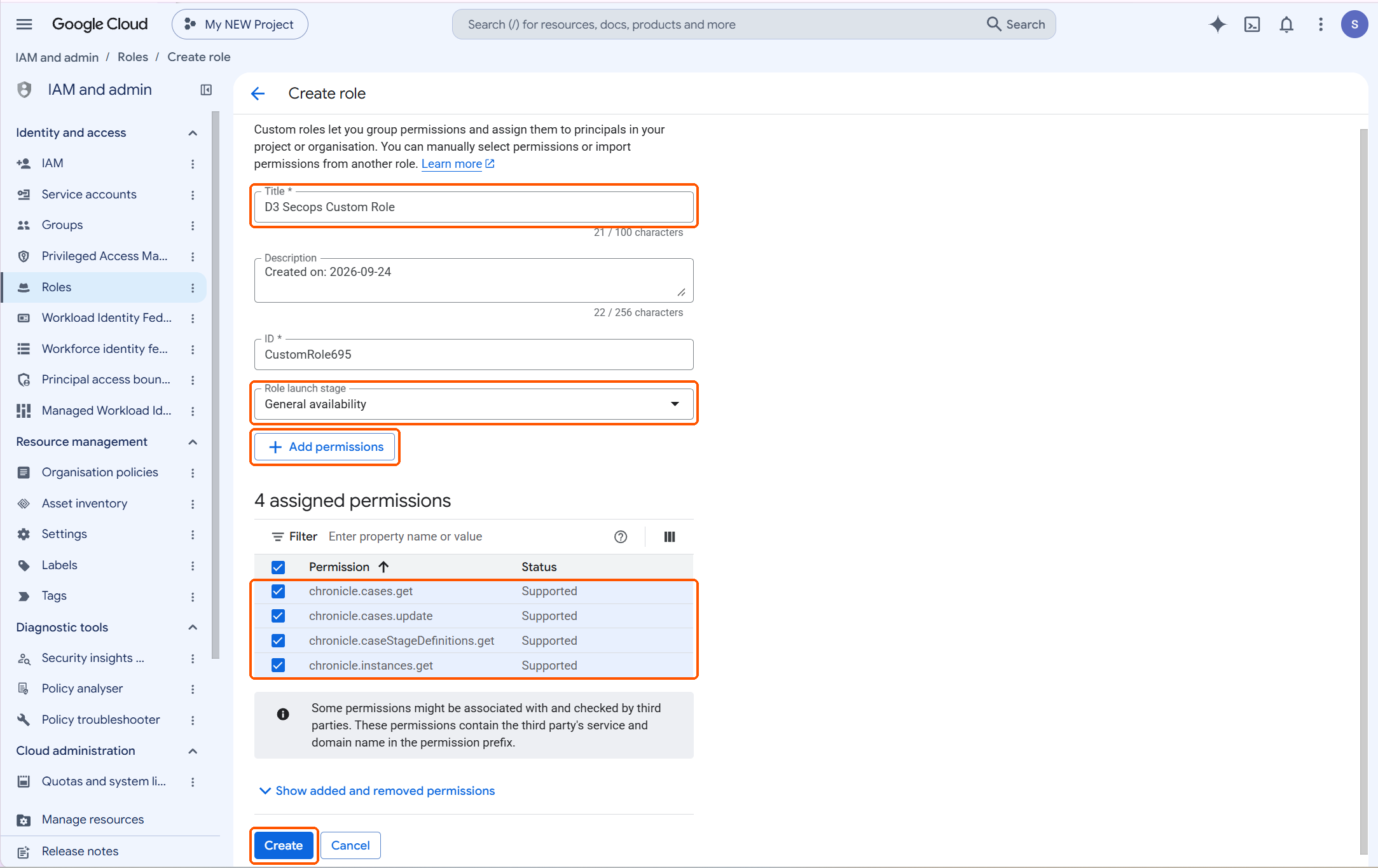
Enter the role details:
-
Title:
D3 SecOps Integration Custom Role -
Description:
Permissions required by the D3 Google SecOps integration -
Set the Role launch stage to General availability.
-
Click + Add permissions, filter by each permission name, select it, and click Add:
-
chronicle.instances.get -
chronicle.cases.get -
chronicle.cases.update -
chronicle.caseStageDefinitions.get
-
-
Click Create.
-
-
Note: If you used the custom role, remove Chronicle API Editor from the service account.
-
Configuring D3 to Work with Google SecOps
-
Log in to D3.
-
See Adding a Connection for instructions on how to find the integration within D3 and fill out the generic integration connection parameters.
-
System: This section contains the parameters defined specifically for the integration. These parameters must be configured to create the integration connection.
-
Configure the integration-specific parameters as documented in the Connection parameter table above.
-
-
Test the connection.
-
Click on the Test Connection button to verify credentials and connectivity. A success alert displays Passed with a green checkmark. If the connection fails, review the parameters and retry.
-
Click OK to close the alert window.
-
Click + Add to create and add the configured connection.
-
Commands
Google SecOps includes the following executable commands for users to set up schedules or create playbook workflows. With the Test Command function, users can execute these commands independently for playbook troubleshooting.
Integration API Note
For more information about the Google SecOps API, refer to the Google SecOps API reference.
|
READER NOTE
|
Update Case
Updates the specified Google SecOps cases. This command cannot close a case - the case status is read-only on the Case resource; use the Close Case command instead. It also cannot set tags; use the Manage Case Tag command.
Input
|
Input Parameter |
Required/Optional |
Description |
Example |
|---|---|---|---|
|
Case IDs |
Required |
The cases to update. Case IDs can be obtained using the List Cases command. Every field supplied below is applied to every case in this list, and at least one field must be supplied. |
["41"] |
|
Display Name |
Optional |
The new display name for the case. By default, or when the value is empty, the current value is unchanged. |
N/A |
|
Priority |
Optional |
The new priority for the case. By default, or when the value is empty, the current value is unchanged. |
PRIORITY_HIGH |
|
Stage |
Optional |
The new stage for the case. Stages are configured per tenant in Google SecOps, so the valid names depend on the tenant - use the List Case Stages command to retrieve them. By default, or when the value is empty, the current value is unchanged. |
N/A |
|
Assignee |
Optional |
The user the case is assigned to. By default, or when the value is empty, the current value is unchanged. To assign several cases in one call, or to assign to a SOC role, use the Assign Case command instead. |
N/A |
|
Description |
Optional |
The new description for the case. By default, or when the value is empty, the current value is unchanged. |
N/A |
|
Environment |
Optional |
The environment the case belongs to. By default, or when the value is empty, the current value is unchanged. |
N/A |
|
Important |
Optional |
The flag that marks the case as important. By default, or when the value is empty, the current value is unchanged. |
true |
|
Incident |
Optional |
The flag that marks the case as an incident. By default, or when the value is empty, the current value is unchanged. |
true |
|
Score |
Optional |
The score assigned to the case. By default, or when the value is empty, the current value is unchanged. |
N/A |
Output
To view the sample output data for all commands, refer to this article.
Error Handling
If the Return Data displays Failed, an Error tab will appear in the Test Result window.
The error tab contains the details responded from D3 or third-party API calls, including Failure Indicator, Status Code, and Message. This can help locate the root cause of a command failure.
|
Parts in Error |
Description |
Example |
|---|---|---|
|
Failure Indicator |
Indicates the command failure that happened at a specific input and/or API call. |
Update Case failed. |
|
Status Code |
The response code issued by the third-party API server or the D3 system that can be used to locate the corresponding error category. For example, if the returned status code is 401, the selected connection is unauthorized to run the command. The user or system support would need to check the permission setting in the Google SecOps portal. Refer to the HTTP Status Code Registry for details. |
Status Code: 403. |
|
Message |
The raw data or captured key error message from the integration API server about the API request failure. |
Message: Invalid request — missing required parameter. |
|
Error Sample Data
|
Assign Case
Assigns the specified Google SecOps cases to a user or a SOC role in a single call.
Input
|
Input Parameter |
Required/Optional |
Description |
Example |
|---|---|---|---|
|
Case IDs |
Required |
The cases to assign. Case IDs can be obtained using the List Cases command. |
["41"] |
|
Assignee |
Required |
The user name to assign the cases to. Google SecOps also supports assigning to a SOC role, but the format for naming a role is not documented, so the exact value should be confirmed with a Google SecOps administrator. This command returns no confirmation of who was assigned, so an unrecognized name appears to succeed without assigning anyone. |
Output
To view the sample output data for all commands, refer to this article.
Error Handling
If the Return Data displays Failed, an Error tab will appear in the Test Result window.
The error tab contains the details responded from D3 or third-party API calls, including Failure Indicator, Status Code, and Message. This can help locate the root cause of a command failure.
|
Parts in Error |
Description |
Example |
|---|---|---|
|
Failure Indicator |
Indicates the command failure that happened at a specific input and/or API call. |
Assign Case failed. |
|
Status Code |
The response code issued by the third-party API server or the D3 system that can be used to locate the corresponding error category. For example, if the returned status code is 401, the selected connection is unauthorized to run the command. The user or system support would need to check the permission setting in the Google SecOps portal. Refer to the HTTP Status Code Registry for details. |
Status Code: 403. |
|
Message |
The raw data or captured key error message from the integration API server about the API request failure. |
Message: Invalid request — missing required parameter. |
|
Error Sample Data
|
Get Case
Retrieves the specified Google SecOps cases, including their display name, priority, stage, status, assignee, type, environment and alert count.
Input
|
Input Parameter |
Required/Optional |
Description |
Example |
|---|---|---|---|
|
Case IDs |
Required |
The cases to retrieve. Case IDs can be obtained using the List Cases command. |
["41"] |
Output
To view the sample output data for all commands, refer to this article.
Error Handling
If the Return Data displays Failed, an Error tab will appear in the Test Result window.
The error tab contains the details responded from D3 or third-party API calls, including Failure Indicator, Status Code, and Message. This can help locate the root cause of a command failure.
|
Parts in Error |
Description |
Example |
|---|---|---|
|
Failure Indicator |
Indicates the command failure that happened at a specific input and/or API call. |
Get Case failed. |
|
Status Code |
The response code issued by the third-party API server or the D3 system that can be used to locate the corresponding error category. For example, if the returned status code is 401, the selected connection is unauthorized to run the command. The user or system support would need to check the permission setting in the Google SecOps portal. Refer to the HTTP Status Code Registry for details. |
Status Code: 403. |
|
Message |
The raw data or captured key error message from the integration API server about the API request failure. |
Message: Invalid request — missing required parameter. |
|
Error Sample Data
|
Change Case Priority
Changes the priority of the specified Google SecOps cases in a single bulk call.
Input
|
Input Parameter |
Required/Optional |
Description |
Example |
|---|---|---|---|
|
Case IDs |
Required |
The cases to act on. Case IDs can be obtained using the List Cases command. |
["41","42"] |
|
Priority |
Required |
The priority to set on the cases. |
PRIORITY_HIGH |
Output
To view the sample output data for all commands, refer to this article.
Error Handling
If the Return Data displays Failed, an Error tab will appear in the Test Result window.
The error tab contains the details responded from D3 or third-party API calls, including Failure Indicator, Status Code, and Message. This can help locate the root cause of a command failure.
|
Parts in Error |
Description |
Example |
|---|---|---|
|
Failure Indicator |
Indicates the command failure that happened at a specific input and/or API call. |
Change Case Priority failed. |
|
Status Code |
The response code issued by the third-party API server or the D3 system that can be used to locate the corresponding error category. For example, if the returned status code is 401, the selected connection is unauthorized to run the command. The user or system support would need to check the permission setting in the Google SecOps portal. Refer to the HTTP Status Code Registry for details. |
Status Code: 403. |
|
Message |
The raw data or captured key error message from the integration API server about the API request failure. |
Message: Invalid request — missing required parameter. |
|
Error Sample Data
|
Change Case Stage
Changes the stage of the specified Google SecOps cases in a single bulk call.
Input
|
Input Parameter |
Required/Optional |
Description |
Example |
|---|---|---|---|
|
Case IDs |
Required |
The cases to act on. Case IDs can be obtained using the List Cases command. |
["41","42"] |
|
Stage |
Required |
The case stage to set. Stages are configured per tenant in Google SecOps; use the List Case Stages command to retrieve the valid names for a tenant. |
Triage |
Output
To view the sample output data for all commands, refer to this article.
Error Handling
If the Return Data displays Failed, an Error tab will appear in the Test Result window.
The error tab contains the details responded from D3 or third-party API calls, including Failure Indicator, Status Code, and Message. This can help locate the root cause of a command failure.
|
Parts in Error |
Description |
Example |
|---|---|---|
|
Failure Indicator |
Indicates the command failure that happened at a specific input and/or API call. |
Change Case Stage failed. |
|
Status Code |
The response code issued by the third-party API server or the D3 system that can be used to locate the corresponding error category. For example, if the returned status code is 401, the selected connection is unauthorized to run the command. The user or system support would need to check the permission setting in the Google SecOps portal. Refer to the HTTP Status Code Registry for details. |
Status Code: 403. |
|
Message |
The raw data or captured key error message from the integration API server about the API request failure. |
Message: Invalid request — missing required parameter. |
|
Error Sample Data
|
List Cases
Returns Google SecOps cases, optionally filtered and ordered. This is the only way for a playbook to discover case IDs when it did not begin from a fetched case event.
Input
|
Input Parameter |
Required/Optional |
Description |
Example |
|---|---|---|---|
|
Case Filter |
Optional |
The expression restricting which cases are returned. Supported filter fields are displayName, creatorUserId, creatorUser, lastModifyingUserId, lastModifyingUser, assignee, assignedUser, stage, priority, important, type, environment, case_data_state, score, alertsSla, sla, tags, products, closureDetails, and tasks. String values are wrapped in single quotes, for example displayName='some_name'. The case_data_state field is the only one spelled with underscores, and there is no status field; case_data_state is used in its place. By default, or when the value is empty, all cases are returned. |
displayName='some_name' |
|
Order By |
Optional |
The order of the cases in the response, given as a comma separated list of fields, each optionally followed by desc, for example displayName desc, priority. Supported sort fields are the same as the filter fields. By default, cases are returned in descending order of their create time. |
createTime desc |
|
Limit |
Optional |
The maximum number of cases to return. By default, the value is 100. The command requests up to 1000 per page and pages until the limit is reached, so a value above 1000 is honored rather than truncated. |
100 |
Output
To view the sample output data for all commands, refer to this article.
Error Handling
If the Return Data displays Failed, an Error tab will appear in the Test Result window.
The error tab contains the details responded from D3 or third-party API calls, including Failure Indicator, Status Code, and Message. This can help locate the root cause of a command failure.
|
Parts in Error |
Description |
Example |
|---|---|---|
|
Failure Indicator |
Indicates the command failure that happened at a specific input and/or API call. |
List Cases failed. |
|
Status Code |
The response code issued by the third-party API server or the D3 system that can be used to locate the corresponding error category. For example, if the returned status code is 401, the selected connection is unauthorized to run the command. The user or system support would need to check the permission setting in the Google SecOps portal. Refer to the HTTP Status Code Registry for details. |
Status Code: 403. |
|
Message |
The raw data or captured key error message from the integration API server about the API request failure. |
Message: Invalid request — missing required parameter. |
|
Error Sample Data
|
List Case Stages
Returns the case stages configured on this Google SecOps instance. Use it to discover the valid values for the Stage parameter of the Change Case Stage and Update Case commands, which are tenant-specific and cannot be guessed.
Input
N/A
Output
To view the sample output data for all commands, refer to this article.
Error Handling
If the Return Data displays Failed, an Error tab will appear in the Test Result window.
The error tab contains the details responded from D3 or third-party API calls, including Failure Indicator, Status Code, and Message. This can help locate the root cause of a command failure.
|
Parts in Error |
Description |
Example |
|---|---|---|
|
Failure Indicator |
Indicates the command failure that happened at a specific input and/or API call. |
List Case Stages failed. |
|
Status Code |
The response code issued by the third-party API server or the D3 system that can be used to locate the corresponding error category. For example, if the returned status code is 401, the selected connection is unauthorized to run the command. The user or system support would need to check the permission setting in the Google SecOps portal. Refer to the HTTP Status Code Registry for details. |
Status Code: 403. |
|
Message |
The raw data or captured key error message from the integration API server about the API request failure. |
Message: Invalid request — missing required parameter. |
|
Error Sample Data
|
Test Connection
Performs a health check on the integration connection. A periodic health check can be scheduled by selecting Connection Health Check when editing the integration connection.
Input
N/A
Output
|
Output Type |
Description |
Return Data Type |
|---|---|---|
|
Return Data |
Indicates one of the possible command execution states: Successful or Failed.
|
String |
Error Handling
If the Return Data displays Failed, an Error tab will appear in the Test Result window.
The error tab contains the details responded from D3 or third-party API calls, including Failure Indicator, Status Code, and Message. This can help locate the root cause of a command failure.
|
Parts in Error |
Description |
Example |
|---|---|---|
|
Failure Indicator |
Indicates the command failure that happened at a specific input and/or API call. |
Test Connection failed. Failed to check the connector. |
|
Status Code |
The response code issued by the third-party API server or the D3 system that can be used to locate the corresponding error category. For example, if the returned status code is 401, the selected connection is unauthorized to run the command. The user or system support would need to check the permission setting in the Google SecOps portal. Refer to the HTTP Status Code Registry for details. |
Status Code: 403. |
|
Message |
The raw data or captured key error message from the integration API server about the API request failure. |
Message: You must have a valid support account to call this API. |
|
Error Sample Data
|